My new book, the New York Times best-selling This Vast Enterprise: A New History of Lewis & Clark, is out now. I spent five years on it, finding new documents and a new way to tell this beloved story. You can find it at your local bookstore or online.
Here are some reviews:
- “This Vast Enterprise is a page-turner and a fantastic achievement.” — New York Times
- “Immensely engaging.” — Wall Street Journal
- “An innovative new history.” — New Yorker
- “This is vivid, character-based history. . . . A ripping good read.” — Boston Globe
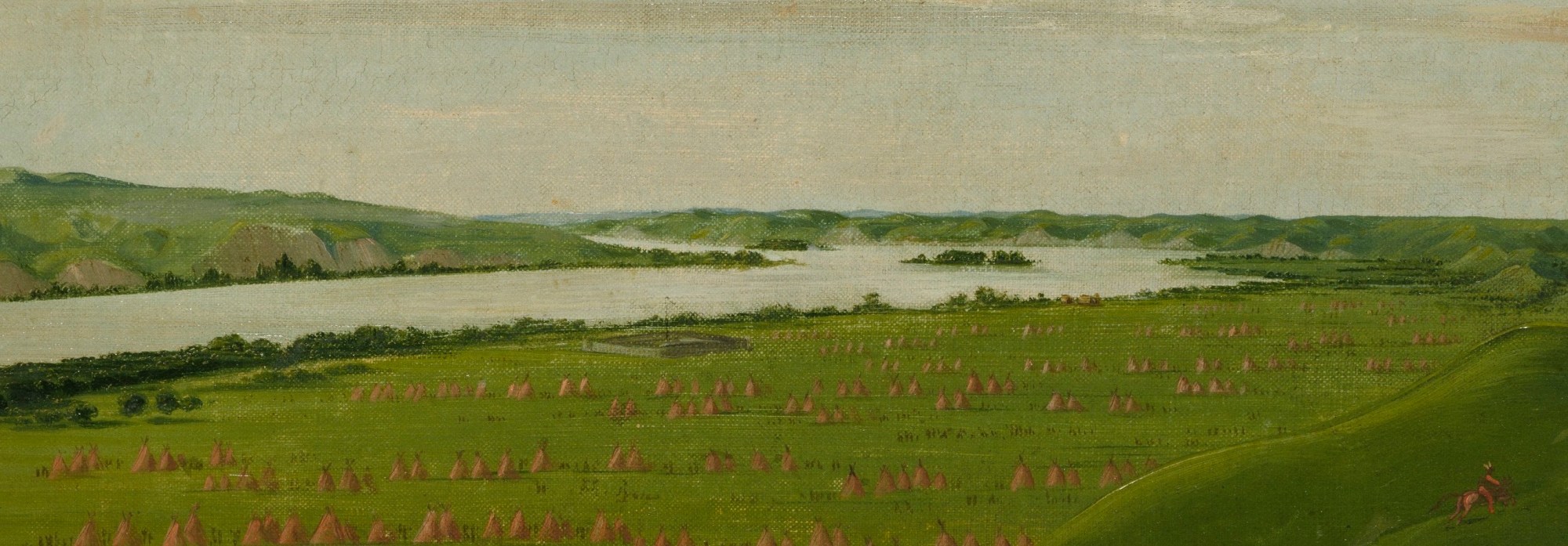
The header to this website is a painting by George Catlin, available for free at the Smithsonian. Thanks in part to that institution, which remains a national treasure, This Vast Enterprise features more than seventy full-color images and more than twenty new maps. I hope you get a chance to examine a physical copy. Or come say hi during my book tour!
One thing I found during my research is that Catlin’s view, captured only a couple decades after the expedition, is almost certainly the same view the captains had when they met the Lakota in the fall of 1804. This is as close as we’ll ever come to seeing what Lewis and Clark saw — and what Black Buffalo and the Partisan saw, too.
I send out very occasional updates on book events, interviews, and new writing. If you would like to receive these, sign up here.

